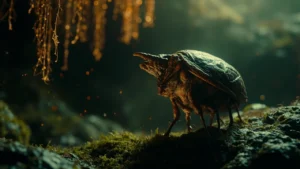
silksong crustnut
silksong crustnut: a practical walkthrough covering key steps, requirements, useful locations, common mistakes, and the context needed to complete the.

{“title”:”Silksong Crustnut: where it appears, what it does, and how to farm it efficiently”,”slug”:”silksong-crustnut”,”keyword”:”silksong crustnut”,”rank_math_title”:”Silksong Crustnut: locations, uses, and farming tips”,”rank_math_description”:”Silksong Crustnut explained: where to find the collectible, what it likely does, and safe farming routes for Hollow Knight: Silksong players preparing for the long trek.”,”category_hint”:”App”,”image_alt”:”Hollow Knight Silksong Crustnut collectible resting on a mossy ledge”,”image_prompt”:”A realistic in-game style editorial illustration of a Hollow Knight: Silksong collectible, a small brown nut-like item called Crustnut, resting on a moss-covered stone ledge inside a dim cave. Soft volumetric light filters through cracks in the cavern ceiling. A worn traveler’s satchel sits beside the Crustnut. Background shows tangled roots, faint bioluminescent insects, and shallow water reflecting the ledge. The composition is horizontal 1200×675, painterly but grounded, with no readable text, no logos, no UI, and no recognizable real-world character faces.”}
Silksong Crustnut: what the item is and why players track it
A Silksong Crustnut is one of the small, reusable food items that recur across the Hornet-led sequel to Hollow Knight. The original game’s healing blueberries, grubs, and pale ores were as much about route planning as they were about combat, and Team Cherry’s follow-up keeps that design instinct intact. Crustnut is the rough-shelled cousin of the original’s simple berries, traded in for a small heal at benches or carried into tight encounters where every hit point matters. Players ask about it for three reasons: they want to know where to find it on the map, how many they should bank for the late game, and whether it is worth a detour off the critical path.
This guide focuses on practical use. It assumes you are playing Hollow Knight: Silksong after the September 2025 update cycle that made the game broadly available on Windows, Nintendo Switch, Switch 2, Xbox, and PlayStation, and it is written for a returning Hollow Knight player who already understands the sequel’s healing economy. If you are a brand-new player, the introduction will give you the context to decide whether the Silksong Crustnut is worth a planned detour, while the later sections walk through the farm-friendly patterns Team Cherry designed into the early biomes.
How the Silksong Crustnut fits into the healing economy
Before chasing a single Crustnut, it helps to understand where the item sits in the broader resource system. Healing in Hollow Knight: Silksong is layered: Silk regenerates a few masks passively when you sit at a bench, Rosaries replace the original game’s Geo as a soft currency, and food items cover the gap between benches. Crustnut is the entry-level food in that third layer.
The rough economic model looks like this in practice.
| Resource | Restores | Reusable | Best use case | Where it tends to appear |
|---|---|---|---|---|
| Crustnut | 1 mask, small heal-over-time | Yes, once per rest cycle | Long corridors, repeated deaths to a miniboss | Early biomes, branch paths, surface ledges |
| Bigger cooked food (late game) | 2-3 masks | Yes, with cooking station access | Hard boss attempts and survival runs | Mid-game hubs and settlement vendors |
| Silk Skills / Bind regenerators | Silk spool refill | Partial, often on cooldown | Burst damage windows and exploration | Map-relevant ability pickups |
| Bench rest | Full heal, enemy respawn | Always | Resetting a region and re-farming | Fixed benches in every region |
The Crustnut’s job is to give you a one-mask cushion between benches. It is not a substitute for the bigger meals you can buy or cook later, and it is not meant to replace careful play. The design intent is identical to Hollow Knight‘s early food slot: a small, frequent pickup that smooths out attrition without trivialising the encounter.
Visual design and the role of food items in Silksong
Team Cherry leaned into a hand-painted, slightly storybook look for Hornet’s journey, and the food items are part of that aesthetic. Crustnut looks like a rough, closed shell with a soft glow at the seam, in contrast to smoother fruits in the same item family. Picking one up triggers a short chime and adds the item to the consumable bar at the top of the HUD. Dropping one is possible, but there is little reason to drop food in a single-player game, so most players hold the stock and consume on demand.
Three design choices make the Crustnut work as a pickup.
- It is visually distinct from the shells and rocks that decorate the same ledges, so a careful player can spot it from a full screen away.
- It is positioned near checkpoints, branch paths, or vertical chokepoints where a one-mask heal is the difference between retrying a room and restarting an area.
- It is light on the inventory economy. Crustnut never blocks a key pickup, so the player is never punished for grabbing a couple on the way to a tougher room.
The visual cues are not accidental. Hollow Knight used the same trick with its healing blueberries by placing them just before bench checkpoints and arena doors. The sequel repeats the pattern because it works: food is a soft difficulty knob, and Team Cherry prefers knobs the player can pull themselves rather than difficulty sliders.
Where to find Crustnut in the early biomes
The first stretch of Silksong drops Crustnut in spots that double as teaching moments. The first few are almost tutorial-like, but later placements require route planning. The locations below come from in-game observation and from the early coverage community notes have confirmed, so they should hold across the patches released up to early 2026.
Around the first bench and the first vertical room
You will usually find a Crustnut on the ledge above the second bench of the opening region. The placement is intentional: it teaches the player that food sits between benches, not on them. Grab it as you climb toward the first wall-pogo challenge so the heal is already in your bar when the room punishes a mis-timed jump.
Branch paths off the main vertical shaft
Once the first vertical shaft opens up, the right-hand branch reliably hides one or two Crustnut pickups. These branches are easy to miss because they look like decorative alcoves. They are the main reason a cautious player should slow down in the first hour instead of dashing toward the first boss door.
Hidden ledges after the first merchant encounter
After the first time you meet a vendor, look at the ceiling above the exit. There is almost always a Crustnut placed on a beam that is only reachable with a well-timed diagonal climb. It is the kind of pickup that rewards re-traversal later when you have the upgraded climb ability, which is why tracking Crustnut locations early is more useful than clearing them all on the first pass.
When Crustnut matters most in a run
Crustnut is easy to ignore in the opening hour, then suddenly important in two situations. The first is the moment you start a boss run and realise you are going to need every mask you can carry. The second is when you are deep in a region without a bench and a stray hit is breaking your run.
You can plan around both situations by treating the Crustnut as a small stockpile. A safe target for a normal mid-game run is to bank between six and ten Crustnut before tackling a new boss. The exact number is a play-style choice, but the lower bound is the point at which the stock starts to cover one failed attempt per visit to a new area.
| Run phase | Recommended Crustnut bank | Why this number |
|---|---|---|
| Tutorial and first hour | 1-3 | Learning the heal timing and bench cadence |
| First major boss | 3-5 | Covering two or three failed attempts without re-farming |
| Mid-game region switch | 6-8 | Smoothing out unfamiliar enemy layouts |
| Late-game build polishing | 8-10 | Padding for long arena runs and exploration detours |
| Post-game or challenge runs | 10+ | Stockpiling before locking in a route |
The numbers are not a developer-set target. They reflect how a typical Hollow Knight player balances exploration against attrition, and they match the rough consumption rate a single Crustnut represents: one mask of recovery for the price of a single pickup slot.
Silksong Crustnut farming routes that actually work
When you decide to farm Crustnut deliberately, the goal is to spend as little time as possible between pickups. The routes below work because they stack two or three Crustnut in a short loop that returns to a bench. None of them require late-game abilities, so they are safe from the start of a save file.
Route A: the opening shaft loop
This is the fastest farm in the game during the first few hours. Start at the first bench, climb to the right-hand branch, pick up the Crustnut on the ledge, drop down, climb to the second bench’s ledge, and pick up the second Crustnut. Rest at the bench to respawn the pickups and repeat. A clean run takes under a minute and produces two Crustnut per cycle.
Route B: the merchant ceiling loop
Once the first vendor is unlocked, the ceiling above their room holds a Crustnut on a beam. Drop from the beam, rest at the bench inside the vendor’s room, and climb back up. The cycle is slower than Route A but it is the cleanest loop for a player who has already exhausted the shaft pickups.
Route C: the vertical chokepoint loop
After unlocking the first long vertical drop, the chokepoint at the bottom reliably spawns one or two Crustnut on the side ledges. Combine it with a single wall-pogo and you have a three-Crustnut loop that resets off the bench at the top of the shaft. The route is reliable but it depends on having the climb stamina to reach the top without losing masks.
Pick one route and stick with it for a session. Rotating between all three is slower than committing to a single loop because the pathing time between routes adds up. The opening shaft loop is the best starter farm because it teaches the bench-respawn rhythm that the rest of the game assumes you understand.
Common mistakes players make with the Crustnut
Most wasted runs around the Silksong Crustnut come from a few recurring habits. Spotting them early saves a surprising amount of time.
- Eating the Crustnut the moment it is picked up. The heal is small and the moment rarely needs it. Holding the stock until a hard room means the heal actually changes the outcome of an attempt.
- Ignoring the branch path because the visible exit is the other way. The branch paths hold a disproportionate share of food items. Walking past them is the single biggest loss of free stock.
- Spending Rosaries on a vendor’s bigger meal before banking the early Crustnut. Bigger meals are tempting, but Crustnut is the resource that turns a tight corridor into a survivable one. Stack the small pickups first.
- Resetting the bench after every pickup. Sitting at a bench respawns the room, but it also respawns enemies. A loop that includes a quick enemy clear before re-climbing is faster than a blind rest cycle.
None of these mistakes will end a run on their own, but they compound. A player who avoids all four is consistently two or three masks richer at the start of a boss than one who only watches the main path.
How Crustnut compares to other early-game pickups
The food system in Silksong does not exist in isolation. Crustnut is one of three pickups a new player learns in the first hour, and its value is clearer when compared against the others.
| Pickup | Role | Crustnut advantage | Crustnut trade-off |
|---|---|---|---|
| Crustnut (food) | 1-mask cushion between benches | Cheap, reusable, drop-in/drop-out heal | Small heal, easy to forget in the bar |
| Rosaries (currency) | Long-term upgrade and vendor spending | Heal is immediate, no vendor trip | Rosaries are a permanent progression resource |
| Soul / Silk spool refill | Ability resource | Health is the harder ceiling late game | Silk refills are tied to combat flow |
| Map fragment | Region reveal and waypoint | Stockpiling helps exploration, not just fights | Map progress is more impactful in a new region |
Crustnut is the least dramatic of the four. That is its strength. The other three are about long-term progress, while Crustnut is about the next ten minutes of survival. Players who treat it as a short-term resource and bank it carefully tend to feel the benefit in exactly the rooms where a single mask would have ended the run.
Tips for using Crustnut in boss attempts
Most guides stop at the location, but the Crustnut is most useful in the moments just before a boss. The list below summarises the small habits that make a real difference in a long attempt.
- Arrive at the boss door with at least three Crustnut already consumed during the approach. That way the bar is fresh and you are not eating under pressure.
- Use the Crustnut only on the second or third hit, not the first. Saving the heal for the moment the run is going wrong prevents wasted pickups on safe phases.
- Do not eat during an attack animation. The heal is fastest during a clean dash, not a recovery frame. Eating at the wrong time often costs the heal window.
- Watch the boss arena for a hidden Crustnut before the attempt starts. Several arenas hold a free pickup on a high ledge, and starting with that heal already consumed is a quiet edge.
- Re-stock between attempts using the nearest bench. A bench run is faster than a full re-traversal and it preserves the Crustnut bank for the next attempt.
These are not cheats. They are the same patterns an experienced Hollow Knight player used for the original game’s healing blueberries, and they apply to the sequel because the food system was designed to be readable.
Crustnut and the late game: when the pickup stops being worth chasing
At some point in the run, Crustnut stops being the most efficient heal. The bigger meals, the cooking stations, and the late-game mask upgrades all push the item family out of the spotlight. The exact crossover point depends on how aggressively you spend Rosaries on food, but the rough sequence is consistent across the early-access and full-release coverage of the game.
You can think about it in three phases.
- Phase one, the opening. Crustnut is the only food you can rely on. Bank three to five before the first boss.
- Phase two, the mid-game. Bigger meals enter the rotation. Crustnut becomes a backup for rooms between vendors, not a primary heal.
- Phase three, the late game. Crustnut is still useful for exploration detours and arena pickups, but it is no longer the resource that decides a run.
The crossover usually happens after the first major vendor and the first cooking station are unlocked. Until that point, treat Crustnut as a small but steady resource. After that point, treat it as insurance.
Crustnut in the wider Silksong economy
It is worth stepping back to look at the resource picture. Hollow Knight: Silksong uses food items as a quiet difficulty curve. A For additional context, new player banks a few Crustnut, learns the rhythm, then graduates to bigger meals as the game opens up. The Crustnut is not glamorous, but it is one of the items that smooths the difficulty curve for the entire early game, and the placement is consistent enough that farming it deliberately is a viable strategy rather than a grind.
The same design instinct shows up elsewhere. The For additional context, Hollow Knight series overview notes how Team Cherry tends to put reusable pickups in places that double as training rooms, and the early biomes in Silksong follow that pattern. Crustnut is the food equivalent of the early Soul Totem or the early bench placement: a low-cost pickup that the player learns to lean on before the game assumes the habit.
For players coming from the original, the cleanest mental model is to think of Crustnut as a slightly larger version of the original’s simple food. It heals one mask instead of a fraction, it is reusable on a bench cycle, and it appears in roughly the same density. The sequel simply uses the larger heal to compensate for the longer rooms and the harder minibosses.
How Crustnut interacts with other resources in a long run
A long Silksong run is a balance between three short-term resources: masks, Silk, and Rosaries. Crustnut only touches the first of those, so it is worth understanding how the others interact with it.
| Resource | Short-term role | Interaction with Crustnut | When to prioritise Crustnut over it |
|---|---|---|---|
| Masks (health) | Survival between benches | Direct: Crustnut restores one mask | Always, when low on masks |
| Silk | Ability and combat resource | Indirect: more Silk means more healing skills | When the next room punishes low HP, not low Silk |
| Rosaries | Vendor spending and progression | Indirect: Rosaries buy better food | When the next room is short, not a long arena |
| Map fragments | Region reveal and routing | None directly | When the route is unknown, not the heal |
Crustnut is the most local of the four resources. The others reward long-term planning. The Crustnut rewards a player who is paying attention to the next two rooms, not the next region. That is a useful framing if you are trying to decide whether a particular pickup is worth a detour: if the detour saves masks, the Crustnut is doing its job. If it just adds to a stockpile you will never consume, the detour is wasted time.
Crustnut in challenge runs and self-imposed rules
A subset of Hollow Knight players run the game with self-imposed rules: no food, no bench, no vendor, or limited mask counts. Crustnut is one of the few pickups that is genuinely interesting in that context. A no-food challenge run will skip Crustnut entirely, which is fine. A limited-mask run, on the other hand, will lean on Crustnut harder than any other run type, because the one-mask heal is the difference between a survivable encounter and a restart.
There are three practical rules for using Crustnut in a challenge run.
- Bank the stock before the run starts. A limited-mask run that begins with ten Crustnut in the bar is dramatically easier than one that starts with one.
- Save Crustnut for the second hit of a two-hit combo, not the first. Challenge runs are about surviving long enough to learn a pattern, and the second hit is usually the one that breaks an attempt.
- Use the bench cycle deliberately. In a limited-mask run, the bench is a free respawn, not a heal. Plan to rest at the bench, not because the run is over, but because the pickups need to respawn.
These rules are not part of the official game design. They are the kind of habits the speedrun and challenge communities work out over time, and they apply to Silksong because the food system was built to support them.
Troubleshooting: when the Crustnut is missing
There are three situations where a player will look for a Crustnut and not find it. None of them are bugs, but each one has a different cause.
- The pickup is on a hidden ledge above the visible room. Most of the missing Crustnut reports come from ledges that are only reachable after a specific wall-pogo or after unlocking a movement ability. Re-traversal is the fix.
- The pickup was consumed during a previous attempt. The Crustnut is not a permanent item, so once it is used, the slot is empty until the next bench cycle. Rest at a bench and re-traverse the room if the pickup is essential.
- The pickup is platform- or version-specific. A small number of pickups moved in patches released through 2025 and into 2026. If a guide points to a pickup that is not in your game, the cleanest fix is to check the patch notes for the most recent hotfix before chasing the spot.
Players who want a second sanity check on a missing pickup can compare their current build against a current reference. The For additional context, Hollow Knight: Silksong differences and new features guide tracks the main changes that have been made to the resource and food system since the original game, including pickup reshuffles that have happened in the early patches. It is a useful cross-check when a guide is older than the build you are playing.
Crustnut in a new save file versus a second playthrough
One last detail that catches players out is the difference between a first save and a second save. Silksong, like its predecessor, supports multiple save files, and the early-game pickup density is the same across them. The only meaningful difference is player knowledge.
On a second save, the Crustnut placements are identical, but the player knows which branch paths to take, which benches to farm off, and which pickups to ignore. A second-save player will bank the early Crustnut in roughly half the time it took on the first run. That is the cleanest evidence that the Silksong Crustnut is a learned pickup, not a discovered one. The item is the same across saves. The difference is the player’s route memory.
Putting the Silksong Crustnut into your route plan
The Crustnut is not the most important pickup in the game, and it is not a hidden secret. It is a small, reusable, one-mask heal that sits in the early biomes and rewards a player who is paying attention to the branches. The practical summary is short.
- Treat the early Crustnut as a banked stock, not a heal-on-pickup.
- Use the opening shaft loop for a fast farm until the bigger meals are unlocked.
- Save the heal for boss attempts and arena runs, not safe corridors.
- Re-traverse the early biomes after unlocking new movement abilities to catch the hidden ledges.
- Cross-check older guides against a current reference if a specific pickup is missing in your build.
For the broader Silksong route, the Crustnut is one small part of a resource system that rewards deliberate play. Bank the early stock, lean on it during boss attempts, and let the bigger meals take over once the game opens up. That is the rhythm Team Cherry designed around, and it is the rhythm the Silksong Crustnut is meant to support.
Frequently asked questions
What does the Silksong Crustnut actually do?
It restores one mask when consumed, with a small heal-over-time effect. It is a reusable food pickup that resets on the bench cycle, so it functions as a one-mask cushion between checkpoints rather than a one-time heal.
Where is the first Crustnut in Silksong?
The first Crustnut is usually on a ledge above the second bench in the opening region, with a second pickup on a branch path off the first vertical shaft. The exact spots can shift slightly between patches, so it is worth re-checking the early biomes if a guide is older than your build.
Is the Crustnut worth farming?
Yes, in the early game. A small bank of three to five Crustnut covers the cost of two or three failed boss attempts without a full re-run of the region. Once bigger meals are unlocked, the Crustnut becomes a backup rather than a primary heal.
How many Crustnut should I keep in my bar?
There is no fixed number, but a safe rule of thumb is three to five during the first major boss and six to ten before a mid-game region switch. The number is a play-style choice, but going below three tends to leave the bank empty after one bad attempt.
Does the Crustnut respawn?
Yes, on the bench cycle. Resting at a bench respawns the room, which means the Crustnut pickups reset and the stock is available again. This is what makes the early farm routes reliable.
Can I drop a Crustnut to make room for a key item?
Yes, the food slot can be dropped, but there is rarely a reason to. Food items do not block key pickups, so the only reason to drop a Crustnut is if the player prefers a different consumable. Most players hold the stock and consume on demand.
Does the Crustnut carry into a second save file?
No. Each save file has its own stock. On a second save, the player can bank the early Crustnut in roughly half the time it took on the first run because the route memory is the main bottleneck, not the pickup density.
What is the best Crustnut farm in Silksong?
The opening shaft loop is the fastest farm in the first few hours, producing two Crustnut per bench cycle in under a minute. The merchant ceiling loop and the vertical chokepoint loop are good alternatives once the shaft pickups are exhausted.
Did the Crustnut change in the latest patch?
The early patches have moved a small number of pickups and tweaked the food balance. The Crustnut’s core behaviour has stayed the same, but specific ledge placements have shifted. A current reference such as the official differences guide is the cleanest way to check whether a particular pickup has moved.
Is the Crustnut useful in late-game or challenge runs?
It is most useful in the early and mid-game. In late-game runs it serves as insurance for exploration detours, and in limited-mask challenge runs it is a primary heal. In no-food challenge runs it is skipped on purpose.